
Struggling with professional burnout in Davidson or Cornelius, NC? Therapy can help high-achieving professionals recover from stress, exhaustion, and emotional disconnection.
Read moreTherapy for College Students: What Parents Should Know About Supporting Mental Health

Therapy for college students offers professional support for stress, anxiety, and life transitions. Learn how counseling can support your college-aged student.
Read moreCollege Student Therapy in Davidson & Cornelius, NC | Support for Stress and Overwhelm

College student therapy provides professional support for stress, anxiety, and emotional overwhelm. Serving students in Davidson, NC and the greater Charlotte area.
Read moreGrief Counseling and Support Groups in Cornelius, NC: Healing Together After Loss
Explore grief counseling and support groups in Cornelius, NC. Find connection, understanding, and healing after loss with professional guidance.
Read moreMindfulness Therapy in Cornelius, NC: A Practical Path to Calm, Focus, and Emotional Balance
Explore mindfulness therapy in Cornelius, NC. Learn how structured mindfulness groups support stress reduction, emotional regulation, and mental well-being.
Read moreWhy January Is the Most Common Time Adults Start Therapy (And Why That’s Okay)

January is a popular time to begin adult therapy. Learn why many adults start therapy in the new year and how support can help.
Read moreParenting Support Group in Cornelius, NC: Strengthen Your Relationship With Your Child

Join our 8-week parenting support group in Cornelius, NC serving the Lake Norman area. Learn relationship-based strategies to reduce conflict and strengthen your bond with your child.
Read moreGrief and Loss During the Holidays: Finding Support, Healing, and Hope When the Season Hurts
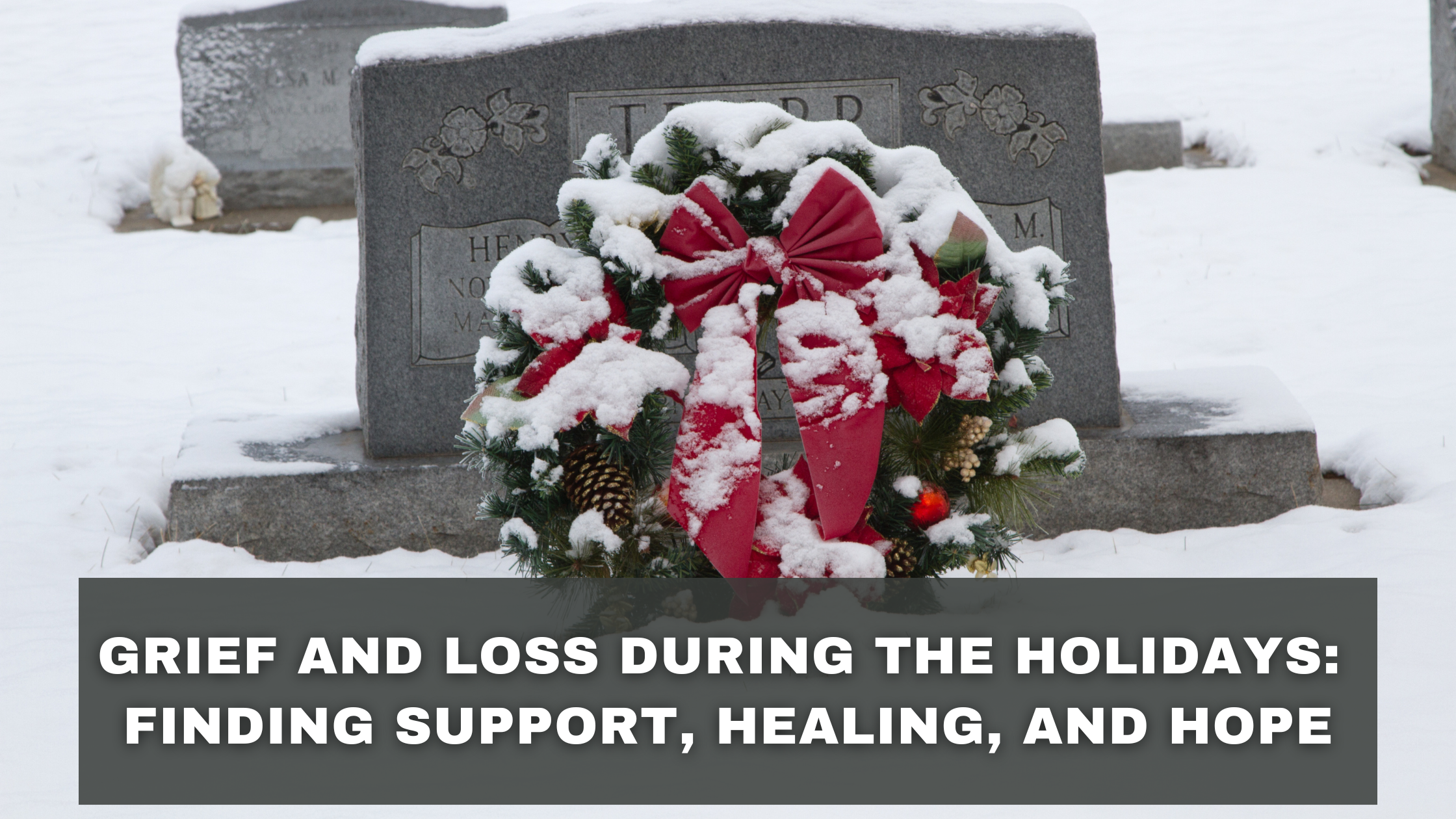
Grief and loss during the holidays can feel overwhelming and isolating. Learn why the season is so difficult, how grief shows up, and how therapy can help you navigate loss with compassion and support.
Read moreHoliday Stress Support for Adults: How to Find Calm, Balance & Emotional Relief This Season

Holiday Stress Support for Adults is essential during a season filled with expectations, pressure, and emotional overwhelm. Learn practical coping strategies, signs you may need additional support, and how Davidson Family Therapy helps adults find calm and balance during the holidays.
Read moreMental Health Support for Veterans: Compassionate Care for Healing, Strength, and Reintegration

Discover comprehensive Mental Health Support for Veterans in North Carolina. Learn how trauma-informed therapy, EMDR, and veteran-centered counseling at Davidson Family Therapy help veterans heal from PTSD, trauma, anxiety, and reintegration challenges. In-person services available in Davidson and Cornelius, plus statewide online therapy.
Read moreTeen Counseling in Davidson & Cornelius: When Is It Time to Get Help?

Is your teen or pre-teen struggling emotionally, socially, or academically? Learn the signs it’s time to seek help, how therapy supports adolescents, and what to expect from counseling at Davidson Family Therapy in Davidson and Cornelius, NC. Online therapy available statewide.
Read moreSimple Ways to Manage Every Day Stress

Learn simple ways to manage everyday stress with practical coping strategies that actually work. Discover healthy habits, quick techniques, and mindset shifts from Davidson Family Therapy in Davidson and Cornelius, NC.
Read moreHow to Cope with Anxiety (3 EASY Things That Work)

Learn how to cope with anxiety using three simple, effective techniques that actually work. Discover easy breathing, grounding, and reframing strategies from the licensed counselors at Davidson Family Therapy.
Read moreMental Health Tips for Men That Actually Help

Discover practical, proven mental health tips for men that actually help. Learn how to manage stress, open up emotionally, and take the first step toward therapy with Davidson Family Therapy in Davidson and Cornelius, NC or online therapy throughout NC.
Read moreWhat To Expect Your First Therapy Session
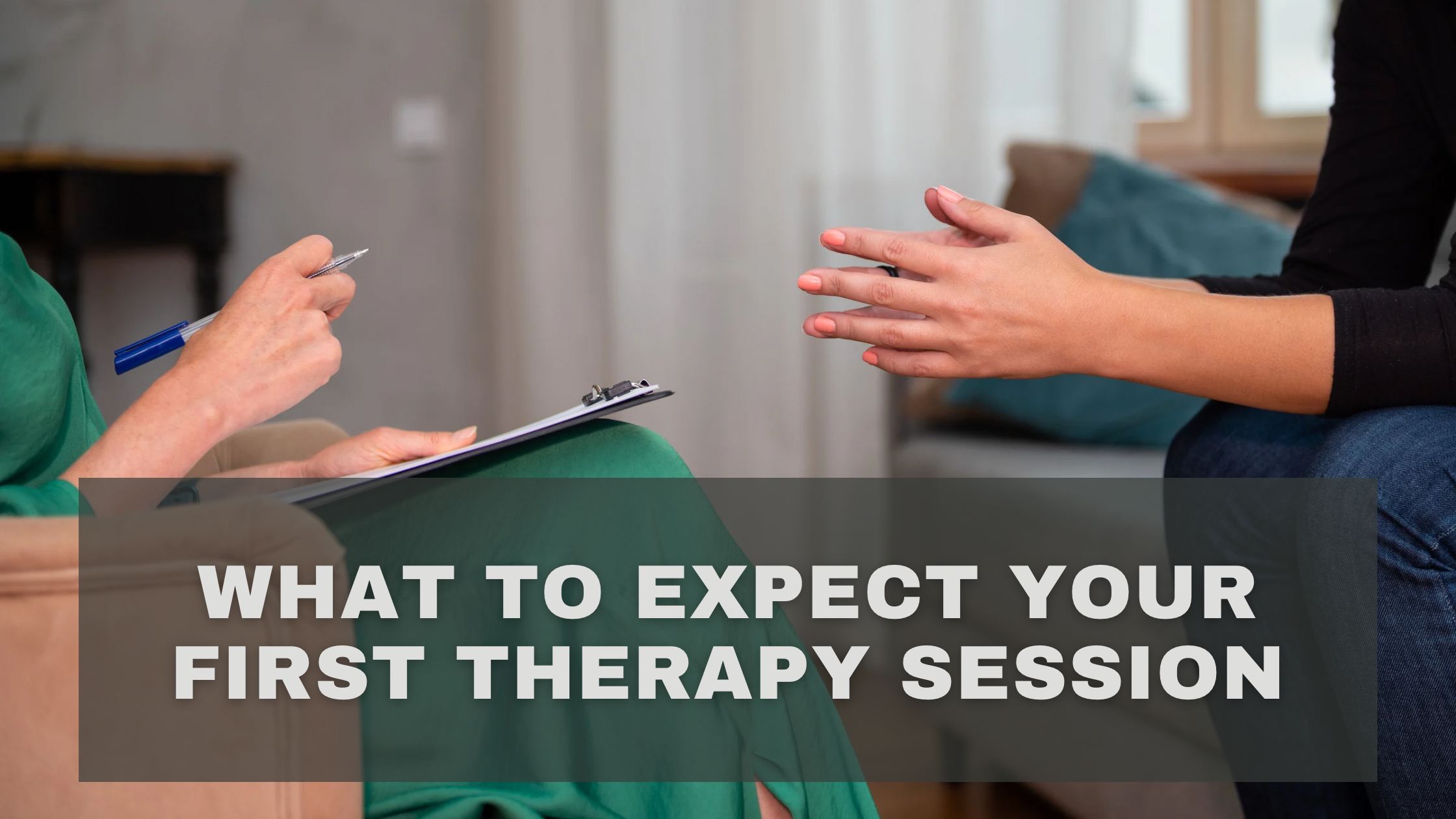
Thinking about going to therapy but not sure what really happens during your first therapy session? Learn what to expect, how to prepare, and how Davidson Family Therapy in Davidson and Cornelius, NC can help you feel comfortable every step of the way—with both in-person and online therapy options.
Read moreBlack Mental Health Matters + Resources

Our therapists at Davidson Family Therapy stepped back from contributing media content in order to take the time to listen and reflect on the melanated voices of our country. I have not only become aware of aspects I can refine in my personal life to be more actively anti-racist, but also have opened my eyes to ways I can incorporate anti-racism into my work as a therapist. Multicultural understanding is incorporated into every accredited counseling program and taking a multicultural perspective when working with our clients has been ingrained in our treatment as therapists, so it could be easy for therapists to think we are well-equipped to empathize with BIPOC experiences… but this thought process is far from true. After taking some time to fully listen it is clear that the journey to better understanding the systemic racism and generational trauma experienced by people of color can never be fully understood, thus the journey to understanding should never end.
Also what has come to light in our community of therapists is the difference between being “multiculturally competent” and “actively anti-racist” are two separate concepts. Essentially, “multiculturalism” is understanding and respecting cultural differences, including the cultural differences and experiences of people of color. “Anti-racism” is understanding the differences, seeing the injustices, and doing something about it. I often equate empathy to a verb, elaborating that if we were to truly understand another’s feeling, it should be so intensely uncomfortable that we should feel compelled to do something about it, which does not exclude multiculturalism. While I could never fully understand the experiences of BIPOC communities, I do understand that they have endured injustices that are so deeply ingrained into the inner-workings of our country that it is going to take uniting as a community to reconstruct a system that supports, protects, and serves all people of color equally, which is why I stand as an ally.

Allyship is defined as a “lifelong process of building relationships based on trust, consistency, and accountability with marginalized individuals and/or groups of people.” Allyship is the ongoing balance of learning, growing, promoting change. In response to this new awareness of the importance of taking multiculturalism a step further- being anti-racist, I have enrolled in trainings to broaden my understanding and sharpen my skills to further my competence in how I can introduce allyship into my work as a therapist.
One aspect I have taken away from diving deeper into the narratives of the black community is the understanding that some people of color may understandably desire a therapist that has walked a similar path as them. No matter the amount of training I could- and will, have, I could never fit into those shoes, and that is okay. It is understandable that some people may wish to see a reflection of themselves in their therapist, and it should not be such a hunt for them to find someone who has a similar cultural background as them. This is why we have compiled a list of resources that help people of color search for therapists from a directory of therapists who have specific trainings and backgrounds that equip them to address the mental health issues of people of color.
We at Davidson Family Therapy work with all communities of color, and will continue on the never-ending path of educating ourselves on ways to strengthen our skills, but we do understand that we are not always the right fit for everyone. Our wish is for this list to encourage people of color in need of therapy to seek it out, through the comfort of directories filled with therapists specifically trained and equipped to meet their needs.
1. Therapy for Black Girls: https://therapyforblackgirls.com/
2. Therapy for Black Men: https://therapyforblackmen.org/find-a-therapist/
3. Therapy for Queer and Trans People of Color: https://www.nqttcn.com/directory
4. Therapy for Queer People of Color: https://therapyforqpoc.com/qpoc-therapist-directory-1#!directory
5. Funding for Therapy for Black women and girls: https://thelovelandfoundation.org/loveland-therapy-fund/
While we will always be a resource for our community- no matter the color, we hope this list could help expand options for every person of color find a therapist best suited for them.
Thank You Medical Providers & First Responders!! **Giveaway Closed**

We are beyond grateful for the medical providers and first responders who have been so selfless and brave in response to the pandemic. They have been the crucial piece to flattening the curve and have been the reason for the thousands of those who have recovered from COVID-19. I’ve personally spoken with a few nurses in our community and my heart was shattered to hear they all have been working 12-14 hour shifts 6 days a week. Some are even on call to temporarily relocate to different states if other states become in greater need. These working conditions are brutal and unsustainable, but is what is required to respond to the current state of this drastic health crisis. Our team at Davidson Family Therapy has been astonished by and thankful for each and every selfless health care provider and first responder who relentlessly wake up day after day to care for the health of our community. Although small compared to the magnitude of effort they supply every day, we are excited to support our medical providers and first responders by providing them with a chance to win a $50 Starbucks gift card!
We understand that while they are busy tending to our community, medical professionals are likely are not surfing the internet to stumble across this giveaway, so we are encouraging our friends and readers to nominate a loved one who is in the medical or first responder field. Medical providers are encouraged to nominate themselves as well!
Fill out the form for yourself, if you are a medical professional or first responder, or for a loved one who fits the criteria. By clicking “submit” you are entering the nominee into the giveaway for a $50 Starbucks gift card!
***Giveaway will close on Friday, May 8th at NOON***
The winner will be announced by 5pm on Friday, May 8th!
*Entries are free and winner will be chosen at random. Valid entries will have equal chances to receive the $50 gift card. Emails entered will only be used for sweepstake purposes.
3 Steps to Diffusing Anxiety

Anxiety is Normal
Anxiety is something that everyone deals with, to different extents, at some point in their lives. We experience Anxiety as a reaction to many different things, a common one being uncertainty. It is human nature to find uncertainty Anxiety provoking. We like familiar and predictable, because things that are familiar and predictable are safe. No matter what your current situation is, COVID-19 is the source of A LOT of uncertainty, and therefore A LOT of Anxiety. A recent poll reported that 18% of adults in the United states are currently experiencing nervousness and Anxiety. It is ok if you are struggling to cope with everything going on, you are not alone.
As much as we dislike Anxiety, and find it uncomfortable, it is actually a healthy human response that helps protect us and keep us safe. Our brains are wired to seek out potential danger or threats so that we can avoid them. This way of thinking is primitive and helped keep our ancestors safe during a time when they faced life or death situations regularly. It was useful for them to think, “WHAT IF that noise I heard is a tiger coming near the village.” In today’s society we don’t regularly face life or death threats like this, but our brains are still wired to continuously think about the “what if’s. However, now these “what if’s” typically stem from internal threats. What if I loose too much money during this pandemic and I can’t support my family? What if this quarantine lasts forever? What if this isolation triggers my Depression? These “What if” thoughts can trigger and fuel our Anxiety causing us to get lost in a spiral of unhelpful and scary thoughts. Luckily there are things we can do to help mitigate our Anxiety and prevent this spiral from happening. The following steps can used as a tool to do just that.
Step One: Defuse Negative “What if” Thoughts

The first step when we notice these distressing thoughts start to creep up is to defuse them. Giving into those “What if” thoughts gives our Anxiety something to latch onto. We can’t stop the initial thoughts from popping up, but we can respond in a way that will defuse them. For example, simply challenging the negative “what if” with a positive “what if.” Or try answering with a “so what,” “Whatever,” or “Oh well.” You don’t have to believe your answer, but by responding this way you are defusing the anxious spiral before it gets out of control. Defusing the Anxiety provoking thought is helpful, but a general feeling of Anxiety can often remain.
Step Two: Allow and Accept the Anxiety
The feeling of Anxiety that remains after the thoughts are defused is the physical sensation of being in a flight or fight state. When this happens, the best approach is to accept what is happening and allow the sensations to come, however they are. Anxiety is much like quicksand, the more you fight against it, the faster you will sink. Allowing the sensations to come is by no means comfortable, but doing so will allow the nervous system to naturally regulate itself, further defusing the Anxiety. It can be helpful to remind yourself that Anxiety is simply nervous energy, it cannot hurt you. What makes the Anxiety seem scary is our emotional response to it. If we take away the fear, the physical sensations of Anxiety are identical to being really excited (heart racing, sweaty palms, butterflies in your stomach), the only difference is our perception of it. So…accept and allow the sensations, welcome the Anxiety to come, and pretend you’re excited about it. This seems counterproductive, but it works! The trick here is to not approach it with the intention of stopping the Anxiety, but instead with the intention of simply allowing it to come.
Step Three: Fully Engage in an Activity
The Final step in this approach is to fully engage in an activity. Find an activity you enjoy that takes your full attention and keeps you in the present moment. For example, call a friend or family member (avoid conversation about COVID-19 or Anxiety provoking topics), read a book, play a game, etc. This will keep your mind from getting sucked back into the Anxiety spiral, especially if the Anxiety has not fully defused.
Defuse negative “What if” thoughts
Accept and allow the Anxiety
Fully Engage in an activity
Anxiety can feel very uncomfortable and scary. During uncertain times, like the one we are currently experiencing, Anxiety can be an everyday struggle. Approaching Anxiety using the steps listed above can keep it from disturbing our daily routine. However, Anxiety can be complex and difficult to cope with. This post is a simplified technique for mitigating Anxiety. If you are experiencing Anxiety that you are unable to manage yourself reach out to our trained therapists today. We are now offering telehealth sessions to allow for therapy to be more accessible to the community. If you believe your anxiety is going beyond the limits of self coping, do not hesitate to reach out today and schedule a free consultation.
Creating Calm within the Chaos

Times are tough, to say the very least. And having to juggle working from home while managing your children’s entertainment and education makes things all the more stressful. As a parent, you might be feeling overwhelmed, lost, and helpless to your children’s cries of hunger and boredom. Now that we are two weeks in to self-quarantining and just received the word of no school for at least another month-and-a-half you may be inches away from throwing in the white flag and giving up on any efforts to make this season mentally and socially stimulating for your children. Would it help you to know that you are not alone? I’ve spoken with a slew of parents at their whits end and all have just about accepted the loss of any chance of the winning the parent-of-the-year award. We are living through a pandemic that hasn’t been experienced to this degree for over a century. Essentially we all have been dumped into a zone of uncharted territory without a paddle or a map. Thus, it is okay and normal to feel lost and helpless, because in a sense we are all lost and can only create a map as we go day by day.
One aspect that has shown to be helpful for families is running on some type of schedule and establishing a “new normal” for the home. If you’ve grazed pinterest or facebook lately, you have likely seen a handful of schedules professing to be the perfect solution for your family if followed minute-by-minute. For some families, a structured schedule could be the key to a less stressful home life. But for many families who have kids who already struggle with anxiety, emotion regulation, or some other type of challenge, the days may look less neat and tidy. When you have a child who struggles with change or relishes on consistency, your days may be looking rather upside-down right about now. Instead of throwing in the towel, I encourage you to continue persevering. And while doing so, consider this scheduling idea below.
Kids thrive in routines and schedules, yet their desire- and need- for power and control may cause them to be unwilling participants in any schedule you might throw at them, no matter how “enriching.” The sweet spot between a routine and their resistance may require a little flexibility and motivation. With this concept, I’ve created a plan for families to sit down with their little ones and create a plan that works for all parties. It looks a little like this:

1.Clearly lay out all expectations and hopes for each day. In handout 1, you will find a section for parents to list of all academic and living expectations that they have. Concurrently, there is a space for children to voice their hopes and expectations for this time as well. It is important to give your child the respected space to voice their thoughts and feelings and to help them feel heard. Anyone is a lot more willing when they feel heard and respected. You can find an example of handout 1 here.
2.Explain your reasoning behind your list of expectations and check in with your children’s emotions regarding your expectations. The list will likely look daunting to a child, but explaining that everything on the list is what has always been done, just written out, may help children to ease their hesitations.
3.Likewise, validate your children’s hopes and expectations and encourage a collaborative discussion regarding the content. When kids heard that school would be out for over a month, I imagine their thoughts went straight to summer or winter break. They may have expected to have hardly any rules or expectations and created their own ideas for filling their days. Giving them the space to feel heard and allowing them to write down their ideas will help them to feel as though they are important and are considered when making a schedule. Do not jump to saying “no” immediately to some of their ideas, but if they do have some outlandish hopes, help them to process why they may not be possible.

4.Create a schedule that works for both you and your children. Don’t forget that your children are the ones who are actually following the schedule you create. Because they are the key player, they need to have a role in creating the schedule that dictates their day. Handout 2 is a schedule template for you all to insert all- or most- of the items previously written on Handout 1. The left side likely includes a lot of the parents’ expectations, while the right side sprinkles in your children’s hopes and desires. This layout encourages a balance between both sides and helps both parties to feel heard and included. You can find an example of handout 2 here.
5.Keep in mind your children’s abilities and have reasonable expectations. Each section should only include up to an hour and a half worth of expectations before children receive and experience a reward. If you are feeling a bit disgruntled about the idea of “rewarding” your child for completing already-expected tasks, consider the experiences on the right as the light at the end of the tunnel for each section of the day. Everyone needs a little respite sprinkled throughout their day, and your kids are no exception. Consider the example I drafted and you will see that a lot of the “rewards” are fairly reasonable break activities.
6.Implement the schedule in a relaxed and power-struggle free way. How you enforce the schedule is more important than the schedule itself. After the schedule has been made and both parties are more or less content, you may continue to experience push-back regarding the initiation and completion of some of your expectations. This is where the “reward” side becomes your friend- if a child does not wish to complete something on the left, they are accepting that they are sacrificing the reward on the right. At the end of the day, everything on the left still has to get done, but how your children choose to complete the tasks- whether willing or completely unwilling- determines whether or not they will be able to participate in their rewarded activities. Typically, the loss of a reward will be an encouragement enough to do the necessary tasks.
This isn’t a completely fool-proof plan, but it does hit a lot of the elements that could help allow the days to be smoother and feel like less of a battle. I have included “example” copies of both handouts as well as blank templates so you can customize your own schedule for your unique family.
If you have created a schedule through the provided templates and are still experiencing extreme pushback or unwillingness, there may be deeper issues going on. Consider reaching out today if checking in with our Licensed Mental Health Therapists could help your family create more calm amidst the chaos.
Links for handouts:
What is TeleMental Health and How Can it Help?

Davidson Family Therapy is proud to be offering Telehealth services for our current and incoming clients, but we understand that it also may be a foreign concept to our community. We hope to address any questions and concerns you may have about this revolutionary platform for providing and receiving mental health care.
What is TeleMental Health?
TeleMental Health is the process of engaging in mental health therapeutic treatment through an online, secure video platform. TeleMental Health involves a licensed mental health clinician connecting with and providing therapeutic services to clients in need of mental health support and help through a HIPAA-Compliant online video/audio platform. TeleMental Health is not a new concept, but has been evolving and refining as technology progresses and is now a nearly-comparable experience for certain in-person mental health therapies.
What does TeleMental Health look like?
The practice and platforms of TeleMental health are constantly updating as advancements in technology are made, but the bare bones of TeleMental Health involves speaking with a live Licensed Mental Health Therapist through audio and ideally video. Most Hipaa-compliant platforms facilitate video conferencing, but some go further and provide interactive elements such as a collaborative whiteboard or handout sharing. Mental Health Therapists are trained to operate in a quiet and confidential setting, void of interruptions or people within ear-shot. Tele Therapists encourage their clients to set up a laptop or table with video access in a quiet and private setting in their homes. Clients are typically given a link to open which will give them access to the confidential video conference. Most platforms do not require clients to create a log in or profile, but some may ask for a client to input their name and basic identifying information for therapists to know who is entering the video. Sessions typically last for the standard 50 minutes but may be adjusted based on the specific needs and capabilities of the client. In order for TeleMental Health to work, both parties need reliable internet access. In cases where reliable internet is not accessible, speaking on the phone may be permitted on a case-by-case basis.
Is TeleMental Health Confidential?
Confidentiality is the state of keeping and maintaining privacy and is the foundational element to mental health therapy that helps clients to feel safe to explore their deepest thoughts, worries, memories, and struggles. Therapists are bound by ethics and the law to maintain confidentiality so long as everyone is physically safe, with a few exceptions involving judge orders and parental rights. Because of the importance of confidentiality, health care companies have developed platforms that align with standards of the national HIPAA Act, which is a legal regulation that establishes the protection of every individual’s personal health information. Because of the HIPAA Act, therapists are unable to utilize less regulated platforms like Facetime and Skype to conduct therapy sessions, as those platforms do not adhere to HIPAA standards. Therapists who conduct TeleMental Health sessions are enrolled in a specific program that facilitates secure dialogue. These programs are designed to be user friendly and easily accessible to clients with internet.
Would I benefit from TeleMental Health?
Most mental health providers that offer in-person therapy utilize TeleMental Health as a “plan B” when faced with circumstances that limit or prohibit face-to-face interaction. Not all types of therapies operate best through telehealth, but many can be effectively conducted through secure online platforms. Licensed Mental Health Therapists are trained to discern which therapies would be most effective when conducting therapy through TeleMental Health. Likewise, a trained and licensed mental health professional will be able to help you navigate your struggles and decide if TeleMental Health is the appropriate platform to use. Many people do prefer in-person therapy, but TeleMental Health opens the doors to certain populations that are unable to access in-person therapy due to mental or physical challenges. Likewise, certain environmental or safety circumstances may limit or prohibit in-person therapy as an option, thus making TeleMental Health a great resource to have available.
If you are struggling with a social, emotional, or mental challenge and are experiencing limitations or hesitations to seeking in-person therapy, TeleMental Health may be a great option for you. All of our therapists at Davidson Family Therapy are undergoing trainings and peer supervisions to advance their abilities in providing quality and effective TeleMental Health services for you and/or your family. In response to the limitations and restrictions caused by COVID-19, our therapists are working diligently to provide TeleMental Health services for our community. Please reach out today if you or a loved one is in need, and our therapists can help guide you to finding the best fit for the care you need.
Quisque iaculis facilisis lacinia. Mauris euismod pellentesque tellus sit amet mollis.