
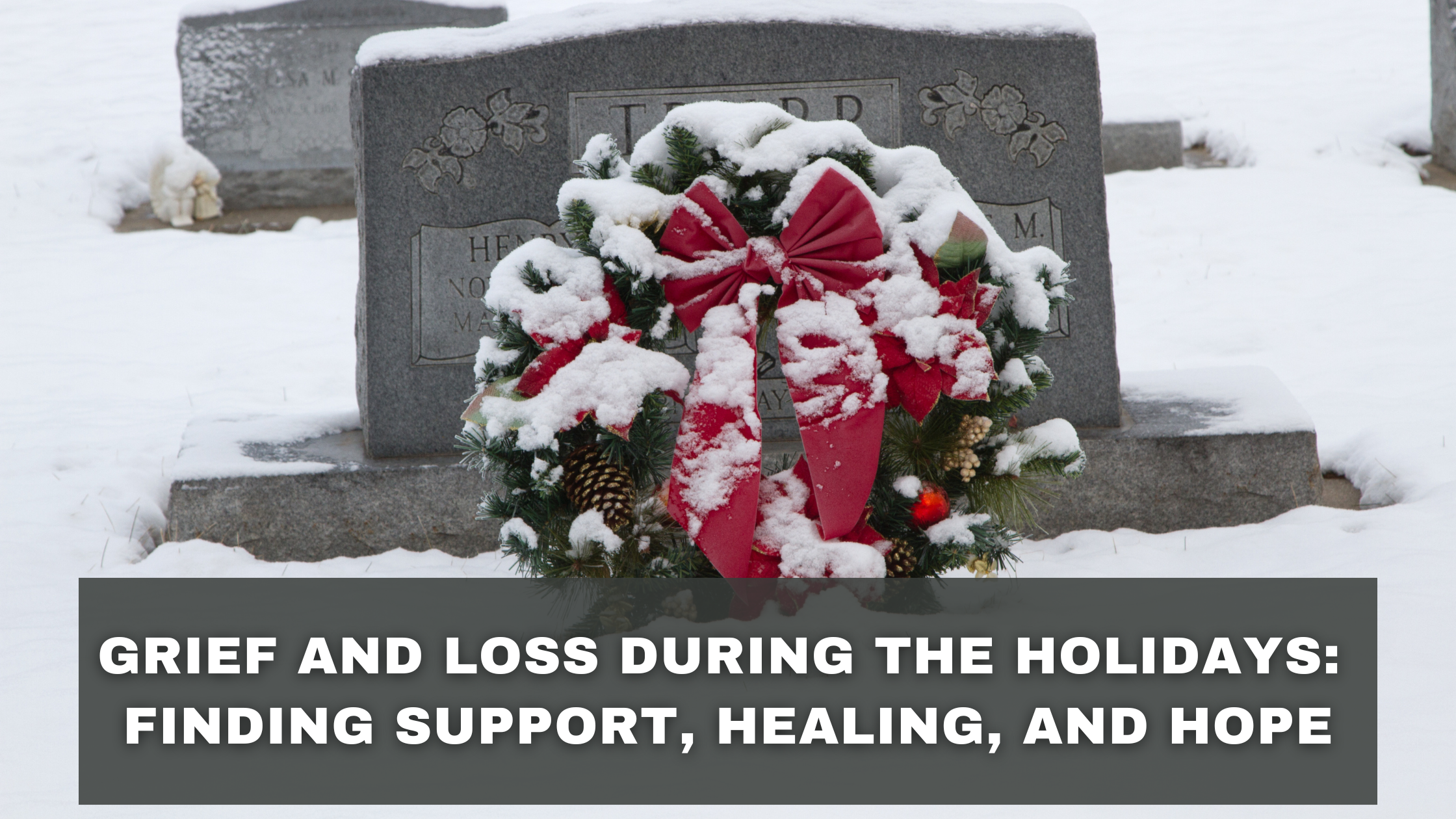
Grief and Loss During the Holidays: Why This Season Feels So Heavy
The holiday season is often portrayed as a time of joy, connection, and celebration. Everywhere you look, there are images of smiling families, festive gatherings, and traditions filled with warmth and laughter. But for many people, grief and loss during the holidays can make this season feel painful, lonely, and emotionally exhausting.
If you are grieving the death of a loved one, the end of a relationship, estrangement from family, or even the loss of what life “used to be,” the holidays can intensify those feelings. You may find yourself missing someone deeply, dreading gatherings, or feeling pressure to appear cheerful when your heart is heavy. These reactions are not signs of weakness—they are normal responses to loss.
Understanding why grief feels amplified during the holidays, and knowing that support is available, can be an important step toward healing.
Why Grief and Loss During the Holidays Can Feel More Intense
Grief does not follow a calendar, but the holidays often bring reminders that make loss feel impossible to ignore. Several factors contribute to why grief and loss during the holidays can feel especially overwhelming:
Traditions Highlight Absence
Holiday traditions often revolve around people—shared meals, gift exchanges, rituals, and memories. When someone is missing, their absence can feel louder than at any other time of year. An empty chair, an unused stocking, or a familiar recipe left untouched can trigger waves of sadness.
Increased Expectations of Happiness
Society places a strong emphasis on happiness during the holidays. When you are grieving, this pressure can make you feel like something is wrong with you for not feeling joyful. This emotional disconnect can increase feelings of isolation and shame.
Family Dynamics and Complicated Relationships
The holidays often involve family gatherings, which can bring unresolved conflicts, strained relationships, or reminders of losses beyond death—such as divorce, estrangement, or infertility. These experiences can compound grief and emotional stress.
End-of-Year Reflection
The end of the year naturally invites reflection. For those experiencing grief and loss during the holidays, this reflection may focus on everything that has changed, what was lost, and what the future looks like without a loved one.
Common Emotional Experiences of Grief and Loss During the Holidays
Grief is deeply personal, but many people experience similar emotional patterns during the holiday season. These may include:
Sadness or frequent crying
Anxiety or dread about upcoming events
Irritability or emotional numbness
Guilt for moments of joy or laughter
Loneliness, even when surrounded by others
Difficulty concentrating or sleeping
You may also notice physical symptoms such as fatigue, headaches, or changes in appetite. All of these responses are common aspects of grief and loss during the holidays, and they do not mean you are “doing grief wrong.”
The Pressure to “Hold It Together”
One of the hardest parts of grief and loss during the holidays is the pressure to perform—showing up, smiling, participating, and keeping traditions alive. Many people feel obligated to meet others’ expectations while ignoring their own emotional needs.
You may hear well-meaning comments like:
“They would want you to be happy.”
“At least you have so much to be grateful for.”
“Try to enjoy the holidays.”
While often intended to comfort, these statements can feel dismissive and isolating. Grief does not disappear because the calendar says it’s time to celebrate.
How Therapy Can Help with Grief and Loss During the Holidays
Therapy can be an invaluable source of support when navigating grief and loss during the holidays. Rather than pushing emotions away, therapy offers a space to honor your experience, process your pain, and find ways to move through the season with greater care and self-compassion.
A Safe Space to Acknowledge Your Grief
In therapy, you don’t have to minimize your feelings or pretend you’re okay. You are allowed to talk openly about your loss, your anger, your sadness, and even your mixed emotions. Being heard without judgment can be profoundly healing.
Understanding Your Grief
Grief is not linear. Therapy can help you understand how your grief is showing up—emotionally, mentally, and physically—and normalize your experience. This understanding can reduce self-criticism and confusion.
Developing Coping Strategies for the Holidays
A therapist can help you create practical, personalized strategies to cope with holiday-specific challenges, such as:
Setting boundaries around gatherings
Deciding which traditions to keep, modify, or skip
Managing grief triggers
Planning for difficult days or anniversaries
These tools can help you feel more grounded and in control during an emotionally unpredictable time.
Addressing Complicated or Layered Loss
Not all grief is related to death. Therapy can help you process losses related to divorce, infertility, chronic illness, trauma, or unmet expectations. During the holidays, these forms of loss often resurface, and therapy provides a place to explore them safely.
Honoring Your Loved One Without Being Overwhelmed
Therapy can help you find meaningful ways to remember and honor loved ones during the holidays—ways that feel supportive rather than retraumatizing. This might include creating new rituals, journaling, or allowing space for both remembrance and rest.
Giving Yourself Permission to Do the Holidays Differently
One of the most important lessons therapy can offer during grief and loss during the holidays is permission—permission to grieve, to rest, to say no, and to redefine what the season looks like for you.
You are not required to:
Attend every event
Maintain every tradition
Feel cheerful or festive
Meet others’ expectations
Healing does not mean forcing happiness. It means allowing yourself to experience the season in a way that honors where you truly are.
When to Consider Seeking Therapy for Grief and Loss During the Holidays
You might consider therapy if:
Your grief feels overwhelming or unmanageable
You feel isolated or disconnected from others
You’re experiencing anxiety or depression related to your loss
You’re struggling to function in daily life
The holidays bring intense dread or emotional pain
Seeking help does not mean you’re failing—it means you’re caring for yourself.
You Don’t Have to Navigate Grief Alone
Grief and loss during the holidays can make the world feel quieter, heavier, and more painful. While others may be celebrating, you may be simply trying to get through the day—and that is okay.
Therapy offers support, understanding, and guidance during one of the most emotionally challenging times of the year. Whether your loss is recent or years old, your grief deserves care and compassion.
If the holidays feel difficult this year, know that you don’t have to face them alone. Support is available, and healing—at your own pace—is possible.
Ready to Get Support
At Davidson Family Therapy, our team of licensed counselors provides compassionate, evidence-based support to help you cope with grief and loss during the holidays.
📍 Davidson Location:
709 Northeast Drive, Suite 22
Davidson, NC 28036
📍 Cornelius Location:
20501 N Main Street
Cornelius, NC 28031
📞 Phone: 704-912-4095
👉 Tele-Mental Health / Online Therapy Available Anywhere in North Carolina
