Sometimes connection begins with a paw.
Animal-assisted therapy can provide a calming, welcoming way for children, teens and families to feel more comfortable, build trust and engage in the therapeutic process.
Therapy doesn't always have to feel like sitting down and talking.
The presence of an animal may help create a more relaxed environment where clients can connect, communicate and work toward therapeutic goals in ways that feel natural and comfortable.
Build Comfort & Trust
Animals can create a comforting presence that may help reduce tension and make the therapy environment feel more approachable.
Encourage Connection
Interaction with an animal may provide opportunities for communication, emotional awareness and meaningful connection.
Practice New Skills
Sessions may incorporate activities designed to support coping, emotional regulation, confidence, empathy and social skills.
Animal-assisted therapy provides another way to help create that connection.
More than companionship.
Animal-assisted therapy may be incorporated into a broader treatment plan based on each client's individual needs and goals.
Therapy built around the person — not just the process.
Animal-assisted therapy is not a one-size-fits-all activity. Your therapist determines whether and how animal interaction may support your individual treatment goals.
Start With Your Needs
We'll learn more about what brings you or your child to therapy and identify goals for treatment.
Create a Comfortable Plan
When appropriate, animal interaction may be incorporated into sessions as part of the therapeutic experience.
Grow at Your Own Pace
Sessions are guided by your needs, comfort level and progress, with the relationship at the center of the work.
Who might benefit from animal-assisted therapy?
Every person is different. Animal-assisted therapy may be helpful for clients who find traditional talk-based therapy challenging, who connect naturally with animals, or who benefit from a calming, interactive environment.
Curious about animal-assisted therapy?
What is animal-assisted therapy?
Animal-assisted therapy incorporates interaction with an animal into the therapeutic process when it supports a client's treatment goals. The animal is not the therapy itself, but may become part of how a therapist helps a client engage, practice skills and build connection.
Is animal-assisted therapy only for children?
No. While many children and teens enjoy working with animals, animal-assisted approaches may also be appropriate for other clients depending on their needs and treatment goals.
Will an animal be involved in every session?
Not necessarily. Therapy is individualized, and the therapist will determine when animal interaction is appropriate and useful as part of the treatment process.
What if my child is nervous around animals?
Comfort and safety always matter. Let the Davidson Family Therapy team know about allergies, fears, sensitivities or other concerns when you reach out so the appropriate therapeutic approach can be discussed.
How do we get started?
Reach out to Davidson Family Therapy and tell us a little about what you're looking for. Our team can help determine an appropriate next step and whether animal-assisted therapy may be a good fit.
Finding the right kind of support can start with one conversation.
Tell us what you're looking for and we'll help you explore whether Davidson Family Therapy — and animal-assisted therapy — may be a good fit.
Animal Assisted Therapy
“If you are too tired to speak, sit next to me, because I, too, am fluent in silence.”
What is Animal Assisted Therapy?
When humans have not been safe, animals can be the bridge to learning what safe relationships look and feel like. Sometimes when we have been hurt so bad we may only want to turn to animals or other things for comfort. Animal Assisted Therapy is the bridge between secure and safe relationships with animals to humans.
Animal Assisted Therapy (AAT) is the partnering with an animal in a counseling session. There are many different counseling animals that can be integrated into sessions such as dogs, horses, cats, rabbits, llamas, pigs, and more. Sometimes the therapy animal is part of an activity to help people obtain insight into aspects of their lives. Other times, therapy animals help comfort or ease anxiety through an uncomfortable or painful time.
How does Animal Assisted Therapy help?
Often times in therapy, a person is working on something that is painful to think about, much less talk about. Animal Assisted Counseling can help by letting those who are less verbal explore their problem without words. AAT can be a sensory enriching experience that can assist those who struggle with processing.
For some people, animals can be less threatening. People are able to project their problems or themselves onto the animal. Animals also react to people's body languages more so than humans. This allows for insight that a therapist or client might miss. It allows for immediacy of the situation. In other words, people are able to work on their problem in a safe place in the moment and be coached versus talking about a past time.
What does Animal Assisted Therapy help with?
Animal assisted interventions have been shown to aid with several mental health issues. There is research that demonstrates that it decreases depression and anxiety, helps with acceptance and understanding of big transitions in life (i.e. divorce, adoption), increases self esteem, deepens the understanding in communication, and understanding of trauma. These are just a few. There are several other areas that animal assisted therapy can help with:
Anxiety & Panic
Trauma/ PTSD
Depression
Grief & Loss
Self Esteem
Transitions
Communication
Relationship Issues
Power and Control
& more
What does Animal Assisted Therapy look like?
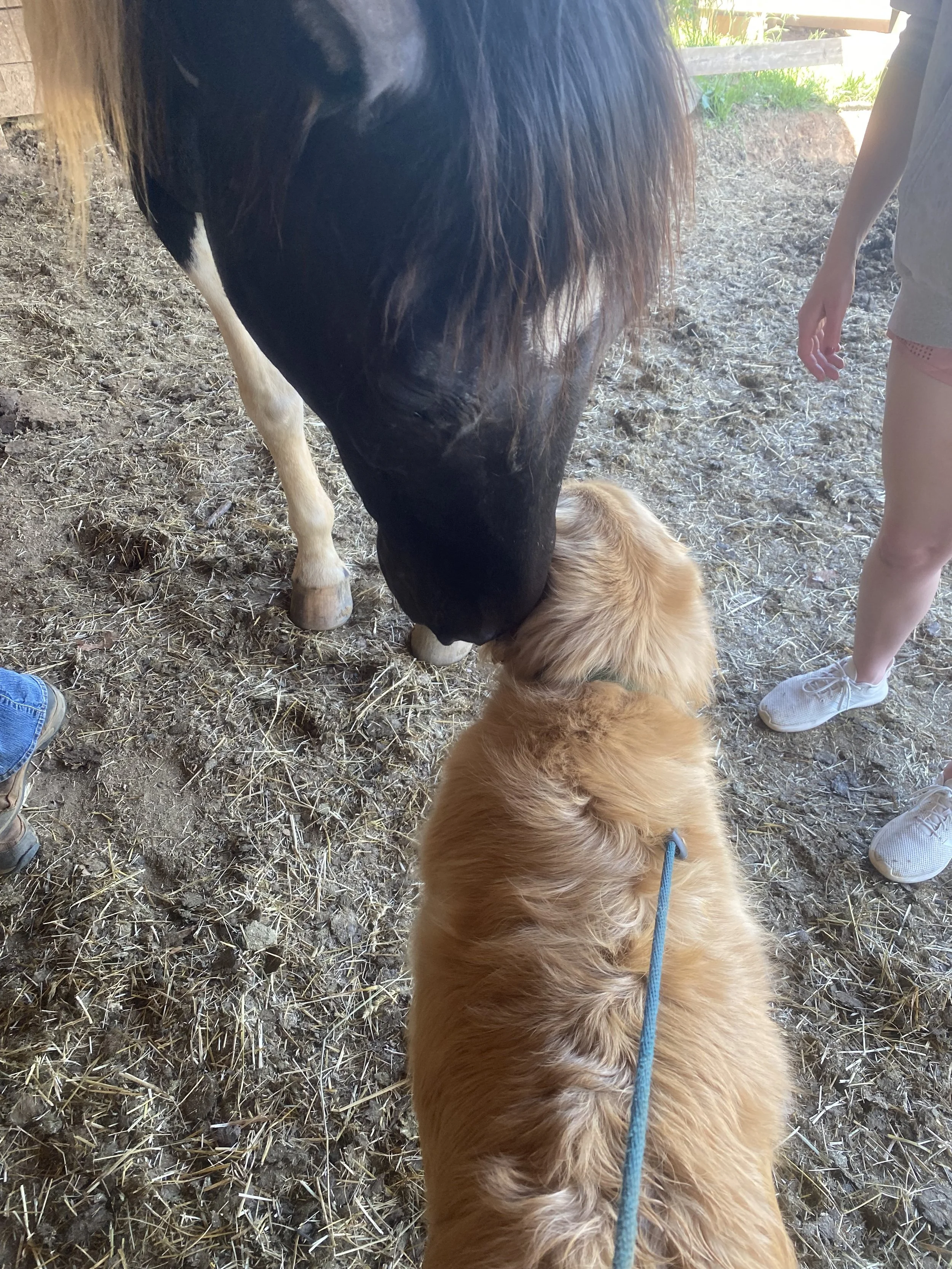
For some, animals in therapy can be as simple as a dog or cat in an office. Other types of therapy animals can include farm animals, which may involve you going to a location outside the traditional therapy office. For example, going to a farm and working with horses. This is an experiential therapy that can help deepen a client's understanding of a situation, emotion, or problem. Davidson Family Therapy is in partnership with Willow Equine and practices the EAGALA model.
Why choose Animal Assisted Therapy?
Animals have brought humans comfort and joy throughout history. Pets are often thought of as family members instead of just animals. This is a therapy that can be beneficial for those people who have struggled in therapy before, have a difficult time verbalizing, or are looking to try a new type of therapy. It is more than just talk therapy, it is a powerful experience.
What Animals do we have?
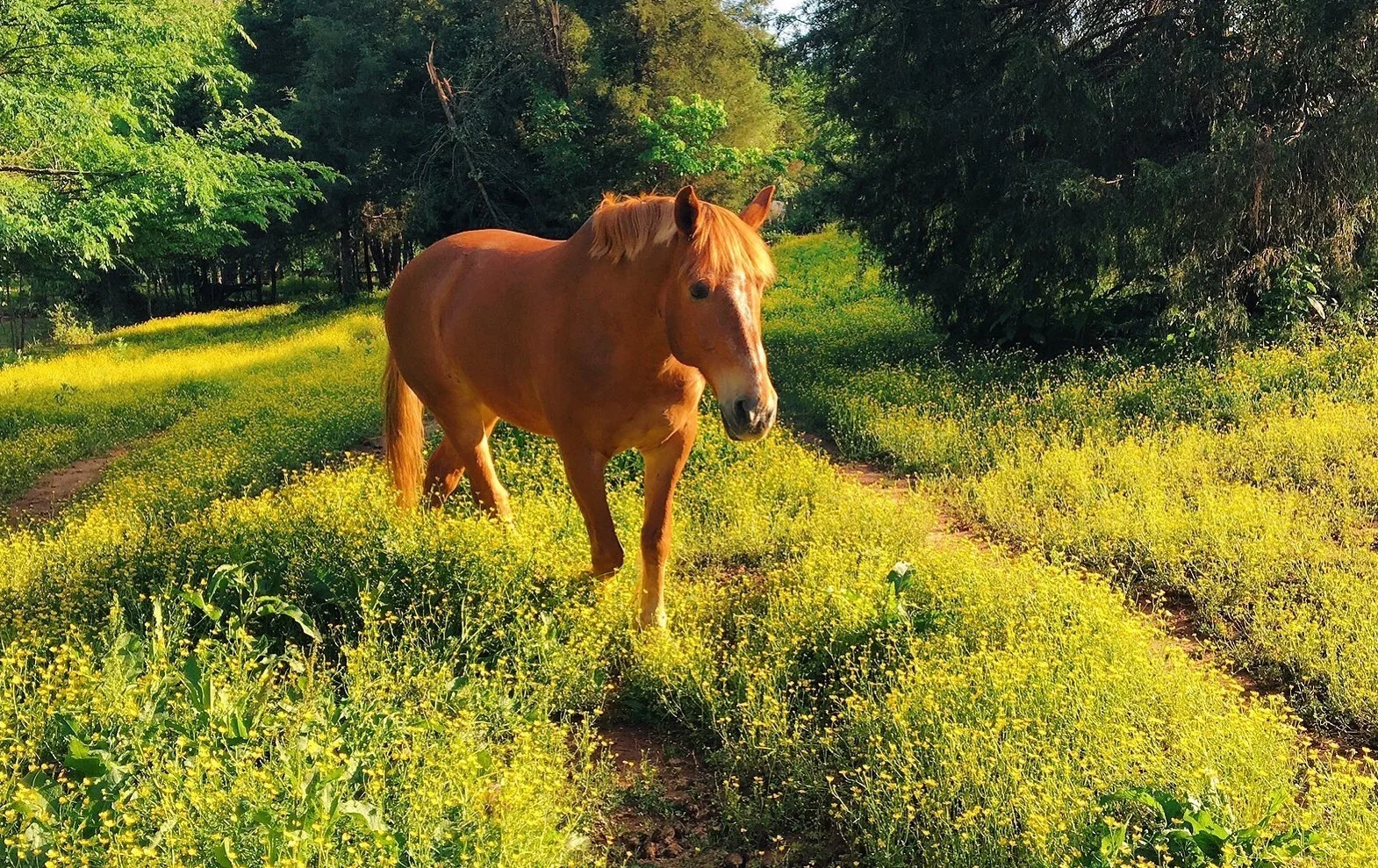
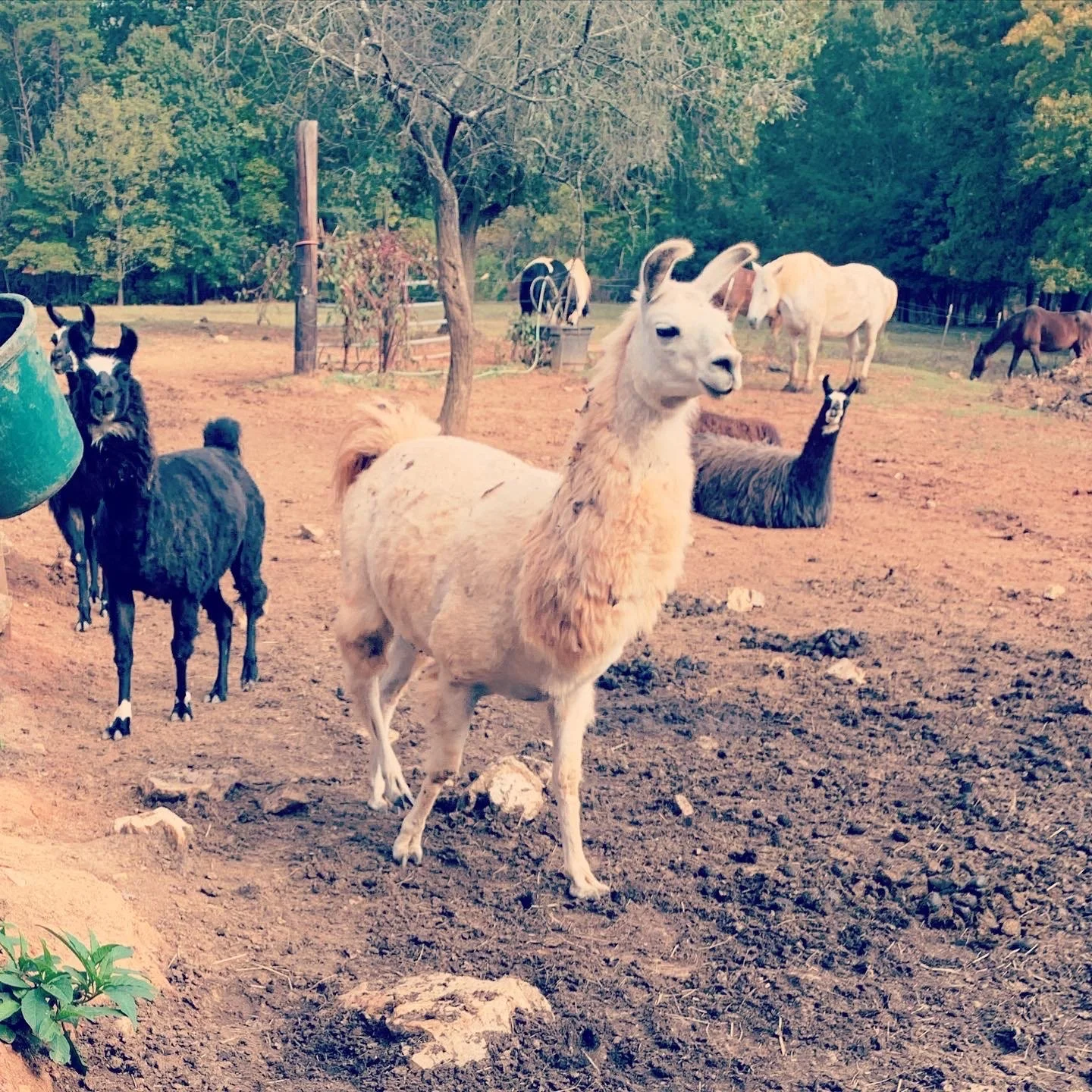
Davidson Family Therapy partners with Willow Equine which is located in Mooresville, about a mile from Carrigan Farms. This is a private farm with 40 acres, 12-20 horses, llamas, dogs, cats, chickens and whatever else we come across. Animals that are in the office include a Golden Retriever and bunny. Julia Rose is the only Animal Assisted Therapist at this time.

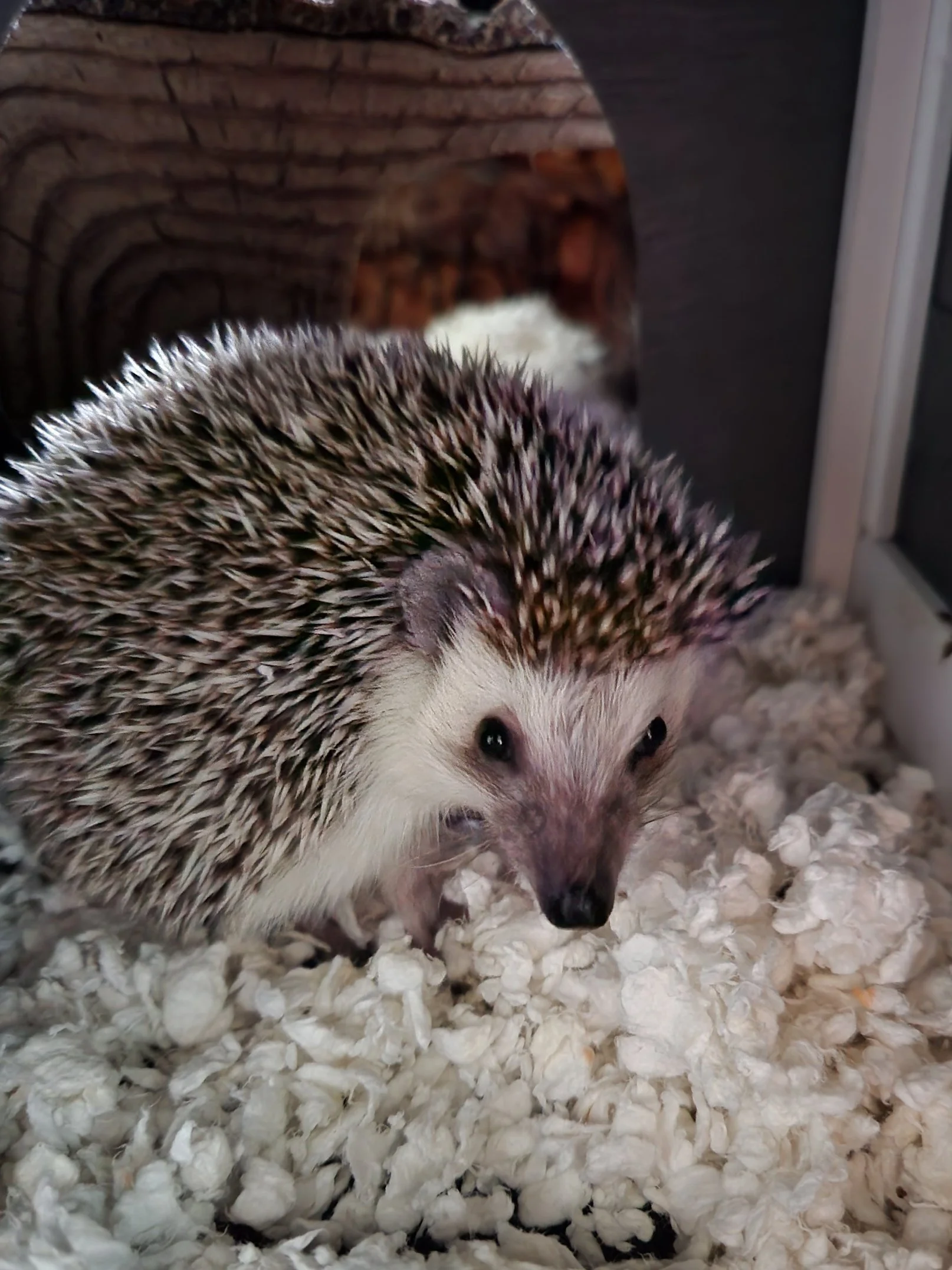
Davidson Family Therapy Is Proud To Offer Animal Assisted Therapy in Davidson, NC!
Animal assisted interventions are one of the many creative forms of therapy offered by our innovative therapists. For more information or to schedule an appointment click here.
Quisque iaculis facilisis lacinia. Mauris euismod pellentesque tellus sit amet mollis.