
Mindfulness Therapy in Cornelius, NC: A Practical Path to Calm, Focus, and Emotional Balance
As winter settles in across Cornelius and the Lake Norman area, we often see a familiar pattern in our offices: people feeling more overwhelmed, disconnected, and mentally exhausted than usual. Shorter days, packed schedules, and the pressure to “push through” can quietly take a toll. In our clinical work at Davidson Family Therapy, this is frequently the point at which individuals begin exploring mindfulness therapy in Cornelius, NC as a means of restoring balance, clarity, and self-regulation.
Mindfulness, when taught clinically and applied intentionally, is not a relaxation technique or an attempt to suppress thought. Rather, it is a structured practice of cultivating present-moment awareness, emotional regulation, and cognitive flexibility—skills that are foundational to psychological health.
Clarifying What Mindfulness Is and What It Is Not
One of the most common misconceptions we encounter is the belief that mindfulness requires a really calm mind. Clinically, the opposite is true. Mindfulness involves noticing internal experiences—thoughts, emotions, physical sensations—without immediate judgment or avoidance.
In our experience working with adults men throughout Cornelius, Davidson, and Mooresville, mindfulness-based approaches are particularly effective for individuals experiencing:
Generalized anxiety and panic symptoms
ADHD-related inattention or hypervigilance
Depressive rumination and low self-esteem
Emotional exhaustion and burnout
Sleep disruption related to cognitive overactivation
Mindfulness works by strengthening an individual’s capacity to observe internal experiences rather than becoming automatically governed by them.
The Clinical Value of Mindfulness in a Group Setting
While mindfulness can be integrated into individual therapy, we consistently observe that group-based mindfulness interventions offer distinct therapeutic advantages. Group settings provide both structure and relational context, which can deepen learning and integration.
Group mindfulness supports:
Normalization of internal experiences, reducing shame and self-criticism
Increased accountability and consistency, which strengthens neuroplastic change
Experiential learning, allowing participants to observe real-time responses
Relational safety, which supports tolerance of discomfort during early practice
For many individuals, mindfulness groups complement individual counseling particularly well.
How Mindfulness Therapy Is Applied Clinically
Mindfulness therapy is most effective when delivered in a structured, progressive format. In our groups, participants are guided through a clinically informed sequence that includes:
Somatic grounding and breath regulation
Establishing physiological safety before cognitive workInteroceptive awareness
Identifying how stress and emotion manifest in the bodyMindful movement and eating
Enhancing sensory engagement and present-moment orientationCognitive mindfulness skills
Learning to observe thoughts without immediate identificationDaily life integration
Applying mindfulness across relationships, work, and academic environments
These skills are consistent with evidence-based frameworks including Cognitive Behavioral Therapy, trauma-informed care, positive psychology, and solution-focused approaches.
Local Patterns We Observe in the Lake Norman Community

Within the Lake Norman region, we frequently work with individuals who are highly functional yet internally overwhelmed. Many balance demanding professional roles in Charlotte, academic pressures, or caregiving responsibilities, often prioritizing performance over internal wellbeing.
A recurring clinical theme we observe is sustained sympathetic nervous system activation—individuals who are productive, capable, and outwardly composed, yet persistently anxious or disconnected internally. Mindfulness therapy addresses this pattern by fostering nervous system regulation rather than relying solely on cognitive insight.
The Importance of Local, Professionally Guided Care
While digital mindfulness applications can introduce basic concepts, they lack clinical nuance, relational support, and contextual responsiveness. Professionally guided mindfulness therapy ensures ethical application, psychological safety, and individualized pacing—particularly for individuals with anxiety, trauma histories, or neurodivergence.
At Davidson Family Therapy, mindfulness is integrated by licensed clinicians within a broader therapeutic framework that may include adult therapy, group therapy, trauma-focused care, and family systems work. Mindfulness is not positioned as a standalone solution, but as a clinically supported skill set within comprehensive mental health treatment.
Mindfulness Practices Group in Cornelius, NC
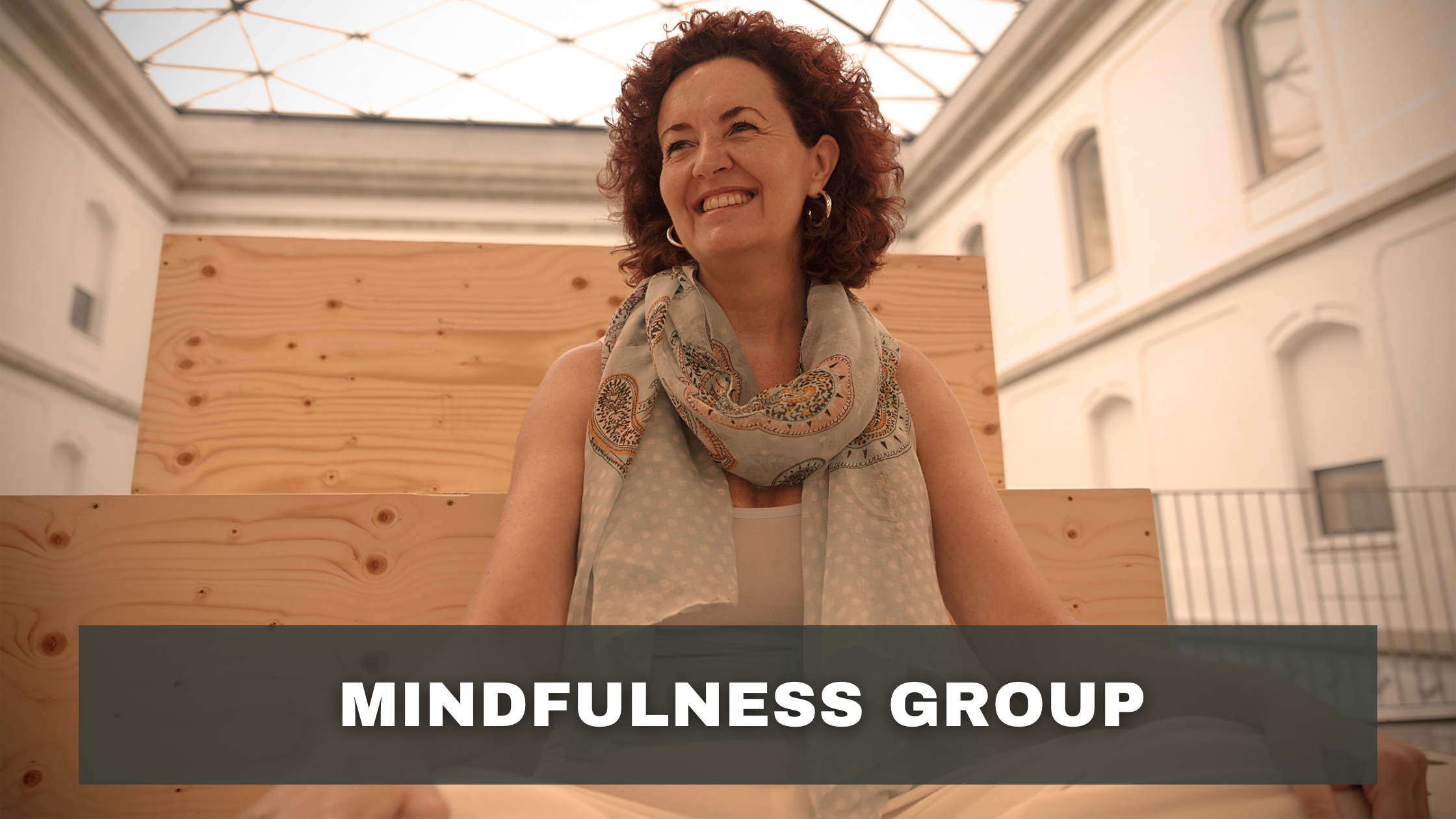
Our Mindfulness Practices Workshop is a five-week therapeutic group held at our Cornelius office and facilitated by Julia Rose, LCMHC. Julia completed this mindfulness program during her graduate training and experienced its profound clinical and personal impact firsthand. Her approach emphasizes accessibility, psychological safety, and real-world application.
This group is well-suited for individuals experiencing anxiety, ADHD, hypervigilance, depressive symptoms, emotional dysregulation, or chronic stress, as well as those seeking greater self-awareness and emotional resilience.
The February 2026 Mindfulness Practices Group at Davidson Family Therapy begins Wednesday, February 4, and meets weekly from 12:00–1:00 PM for five consecutive sessions at our Cornelius office. This professionally facilitated group offers a structured, evidence-informed approach to learning mindfulness skills in a supportive, therapeutic environment. Participants will engage in guided practices, psychoeducation, and discussion designed to promote emotional regulation, cognitive awareness, and sustainable stress reduction. Enrollment is currently open. Click Here to Sign Up
Frequently Asked Questions
Is mindfulness therapy evidence-based for anxiety?
Yes. Mindfulness-based interventions have been shown to reduce anxiety by improving emotional regulation and decreasing cognitive reactivity, which we consistently observe in clinical practice.
Do I need prior mindfulness experience to participate?
No. Many participants begin with no prior experience. The group is intentionally structured to support beginners.
Is discomfort normal during mindfulness practice?
Yes. Increased awareness can initially feel uncomfortable; however, with guidance and support, this typically decreases as regulation skills develop.
A Thoughtful Path Forward
Mindfulness is not about control—it is about cultivating awareness, flexibility, and compassion toward one’s internal experience. When practiced with professional guidance and community support, it becomes a powerful tool for long-term psychological wellbeing.
This article was written by the Davidson Family Therapy team, based in Cornelius and Davidson, NC, with professional experience providing mindfulness-based therapy and group mental health services to the Lake Norman community.
📍 Davidson Location:
709 Northeast Drive, Suite 22
Davidson, NC 28036
📍 Cornelius Location:
20501 N Main Street
Cornelius, NC 28031
📞 Phone: 704-912-4095
👉 Tele-Mental Health / Online Therapy Available Anywhere in North Carolina
