

The first few weeks of school can be misleading.
Your child gets up, gets dressed, makes it through the school day, and completes at least some of what needs to be done. From the outside, everything may appear fine.
But then they come home exhausted. They snap at a sibling over something small. They complain of a headache on Sunday night. They suddenly need more reassurance, struggle to fall asleep, or insist they “just don’t want to talk about it.”
Not every child who is having a hard time will say, “I’m anxious” or “school feels overwhelming.” Often, stress shows up through changes in behavior, mood, sleep, or physical health instead.
Holding It Together at School - and Falling Apart at Home
Some children work incredibly hard to keep themselves regulated throughout the school day. They follow directions, navigate social situations, manage assignments, move between classrooms, and try to meet the expectations placed on them.
By the time they get home, they may have little energy left.
This can lead to what parents sometimes describe as an “after-school meltdown.” A child who seemed perfectly content at pickup may become irritable, tearful, defiant, or withdrawn once they are home.
Although this behavior can be frustrating, it may also mean your child feels safe enough at home to release what they have been holding in all day.
That does not mean every outburst should be ignored. It does mean it can help to look beneath the behavior and ask: What might my child be trying to manage right now?
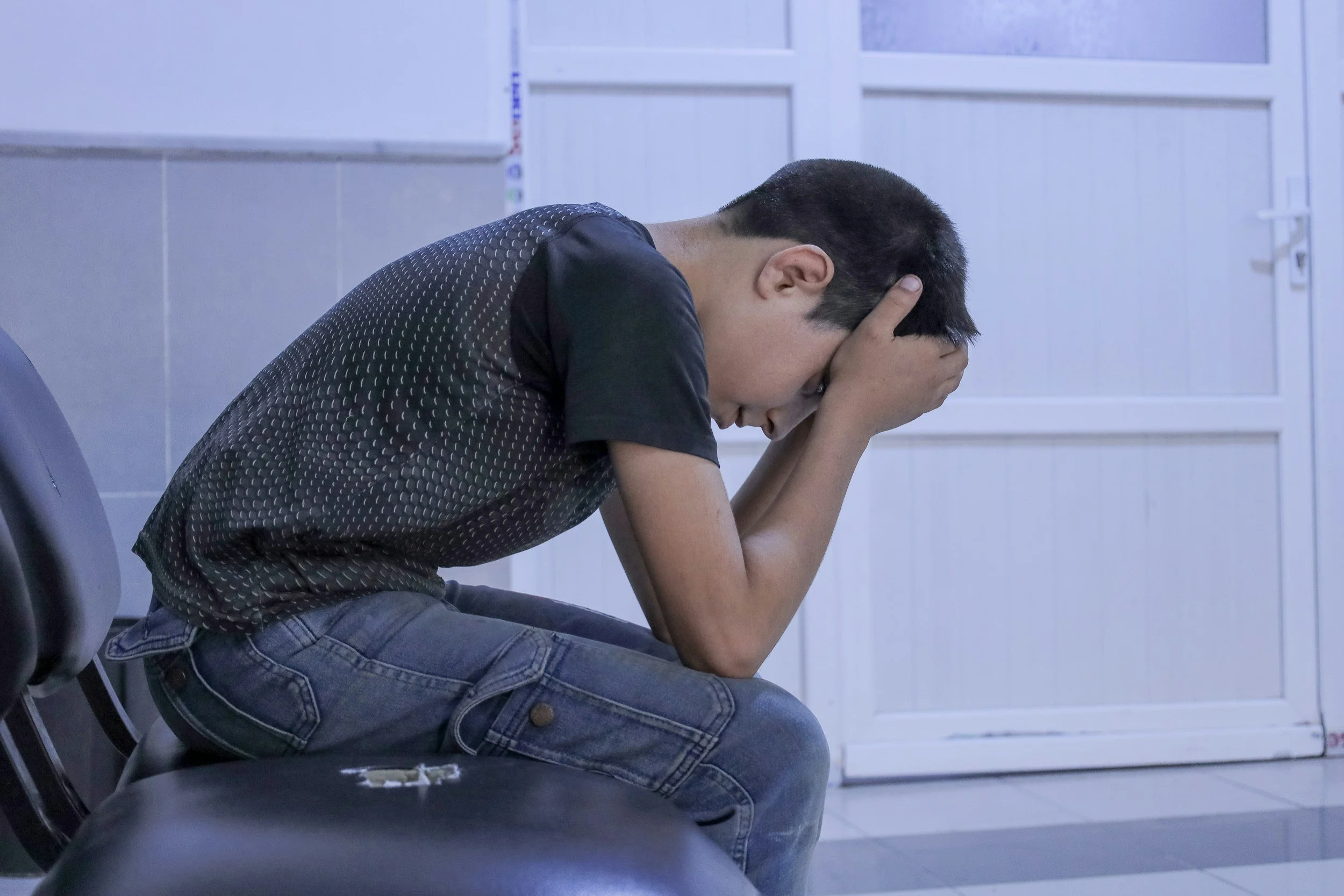
Quieter Signs of Back-to-School Stress
Stress does not always look dramatic. Sometimes the signs are easy to dismiss as tiredness, attitude, or a normal adjustment to a new routine.
You may notice:
More irritability or emotional reactions than usual
Headaches, stomachaches, or feeling sick before school
Difficulty falling asleep or waking during the night
Changes in appetite
Frequent requests to stay home
Increased perfectionism or fear of making mistakes
Procrastination or avoidance around schoolwork
Needing more reassurance from parents
Withdrawing from family or friends
Losing interest in activities they usually enjoy
Becoming unusually quiet when asked about school
Melting down after appearing composed all day
One of these changes by itself does not necessarily mean something is wrong. What matters is the pattern. Pay attention to how often it is happening, how intense it feels, and whether it is beginning to interfere with school, friendships, sleep, or family life.
Why “How Was School?” May Not Get You Very Far
When children are overwhelmed, broad questions can feel surprisingly difficult to answer. “How was school?” requires them to sort through an entire day and decide what is important enough to share.
“Fine” may be the most manageable response—not proof that everything actually felt fine.
More specific, low-pressure questions can make conversation easier:
What part of today felt the longest?
Was there anything that made you laugh?
When did you feel most comfortable today?
Was there a moment you wished you could leave?
Who did you spend time with?
What feels hardest about tomorrow?
Do you want me to listen, help you solve it, or just sit with you?
Try not to ask every question at once. Children and teens often talk more openly while doing something else, such as riding in the car, taking a walk, eating a snack, or getting ready for bed.
The goal is not to conduct an investigation. It is to create opportunities for your child to let you into their experience.
Academic Pressure Can Begin Earlier Than Parents Realize
Some children feel pressure to perform well long before grades become a major concern. They may worry about finishing work quickly, getting every answer correct, pleasing a teacher, or keeping up with classmates.
For perfectionistic children, a small mistake can feel much larger than it appears to an adult. Reassurance like “It’s not a big deal” is usually well-intended, but it may leave the child feeling misunderstood.
Instead, try acknowledging the emotion before offering perspective:
“I can tell that mistake really bothered you.”
“You worked hard and wanted this to go differently.”
“It sounds like you’re worried about falling behind.”
Once a child feels understood, they are often better able to hear reassurance or consider what to do next.
Social Stress Is Still Stress
A child can be doing well academically and still be struggling.
Friendship changes, unfamiliar classmates, lunchroom dynamics, team tryouts, social media, and the fear of being left out can take up an enormous amount of emotional space. Even a child who has friends may spend the day wondering whether they said the wrong thing or truly belong.
Older children and teens may be especially reluctant to talk about these concerns. They may fear that a parent will contact the school, criticize their friends, take away their phone, or turn an uncomfortable situation into a bigger one.
Before stepping in, ask what kind of support your child wants. Unless there is an immediate safety concern, beginning with curiosity can help preserve trust.
You might say:
“That sounds painful. Do you want help thinking through it, or do you mostly need me to listen?”
Give Your Child Space to Decompress
Children often need a transition period after school just as adults do after a demanding workday.
Before jumping into homework, activities, chores, or questions, consider giving your child a little room to reset. Depending on the child, that might look like:
Having a snack
Spending a few minutes alone
Moving their body
Listening to music
Playing outside
Sitting quietly with a parent
Doing something creative
Taking a break from conversation
This is not about eliminating responsibilities. It is about recognizing that regulation may need to come before productivity.
Predictable routines can also make the school week feel more manageable. A consistent bedtime, a calmer morning routine, and preparation the night before can reduce the number of decisions and surprises your child has to manage.
When Should You Give It Time?
A period of adjustment is normal at the beginning of a school year. New teachers, schedules, expectations, and social environments take time to navigate.
Some children settle in after a few weeks as the routine becomes more familiar. During that time, extra rest, connection, structure, and patience may be enough.
However, it may be time to seek additional support when your child’s distress:
Continues or becomes more intense
Regularly disrupts sleep or appetite
Leads to frequent physical complaints
Causes repeated school avoidance
Interferes with learning or friendships
Creates significant conflict at home
Keeps your child from participating in activities
Seems difficult for your child or family to manage
You do not have to wait until your child reaches a crisis point. Therapy can provide support while concerns are still developing.
How Therapy Can Help
Therapy gives children and teens a place to talk about what is happening without worrying about disappointing or upsetting the people they love.
Depending on the child’s age and needs, therapy may help them:
Understand and name what they are feeling
Recognize physical signs of stress or anxiety
Develop coping and emotional regulation skills
Build confidence in social situations
Work through perfectionism and fear of failure
Communicate more openly with family members
Navigate school transitions and changing friendships
Therapy can also help parents better understand what may be driving a child’s behavior and find ways to respond that support both connection and healthy boundaries.
Your Child Doesn’t Have to “Look Anxious” to Need Support
Children who are struggling do not always appear visibly distressed. Some continue earning good grades, participating in activities, and meeting expectations while carrying a significant amount of pressure internally.
If something feels different, it is worth paying attention.
You do not need to diagnose the problem or have the perfect words. Start by staying curious, noticing patterns, and making it clear that your child does not have to manage everything alone.
Davidson Family Therapy provides therapy for children, teens, and families in Davidson and Cornelius, North Carolina. If the transition back to school has brought new concerns—or made existing ones more noticeable—our therapists can help your family understand what is happening and determine what kind of support may be helpful.
This article was written by the Davidson Family Therapy team, based in Cornelius and Davidson, NC, with professional experience providing therapy in the Davidson, Cornelius, Charlotte, and greater Lake Norman community.
📍 Davidson Location:
709 Northeast Drive, Suite 22
Davidson, NC 28036
📍 Cornelius Location:
20501 N Main Street
Cornelius, NC 28031
📞 Phone: 704-912-4095
👉 Tele-Mental Health / Online Therapy Available Anywhere in North Carolina
